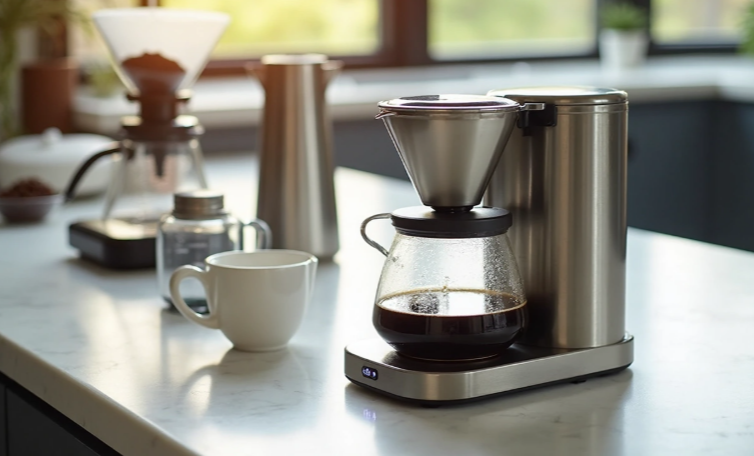
For coffee enthusiasts, mastering the art of making drip coffee is a rewarding experience. This popular brewing method is favoured for its simplicity and the ability to highlight the nuanced flavours of quality coffee beans. Whether you are a novice home brewer or an experienced barista, understanding the intricacies of drip coffee can enhance your appreciation and enjoyment of this delightful beverage.
Understanding Drip Coffee
Drip coffee is a method of brewing that involves pouring hot water over ground coffee contained in a filter. The water passes through the grounds, extracting the coffee’s soluble compounds, and drips into a carafe or pot. This technique is lauded for its ease of use and ability to produce a consistently great cup of coffee.
Choosing the Right Coffee Beans
The quality of your drip coffee largely depends on the beans used. Opting for high-quality, freshly roasted beans, such as those from reputed suppliers, ensures a rich and flavoursome cup. Explore different roasts and origins to find the blend that best suits your palate preferences.
The Importance of Grind Size
The grind size of your coffee is crucial when brewing drip coffee. A medium grind is typically recommended, as it enables optimal extraction. If the grind is too coarse, the coffee will be under-extracted, leading to a weak flavour. Conversely, a too fine grind could result in over-extraction, yielding a bitter taste.
Water Quality and Temperature
Water is a significant component of drip coffee, making its quality and temperature vital to the brewing process. Use filtered water free from impurities, and heat it to approximately 93°C to ensure the proper extraction of flavours.
Measuring Your Coffee and Water
The ratio of coffee to water can dramatically affect the taste of your brew. A standard guide is to use one to two tablespoons of coffee for every six ounces of water. Adjusting these proportions allows you to fine-tune the strength and flavour to your liking.
The Brewing Process
The process of making drip coffee is straightforward but requires attention to detail. Start by placing a filter in the coffee maker, and add the appropriate amount of ground coffee. Pour hot water evenly over the grounds and allow the coffee to drip into the carafe.
Using a Coffee Maker
Automatic coffee makers simplify the drip coffee process with programmable settings that adjust for various factors, such as brew strength. These machines can be a convenient option for those who enjoy a fresh cup of coffee with minimal effort.
Manual Drip Coffee Brewing
For those who prefer a more hands-on approach, manual drip brewing methods such as the pour-over can provide a more personalised experience. This method entails manually pouring hot water over coffee grounds in a controlled manner, allowing for greater experimentation with techniques and tools.
Enhancing Your Coffee Experience
Enhance your drip coffee experience by experimenting with different variables. Try different coffee bean origins, grind sizes, and water temperatures to discover new flavour profiles and sensations in your cup.
Tips for Consistent Brewing
Achieving consistency in your drip coffee requires practice and attention to detail. Keep track of the measurements and techniques used, and adjust according to taste preferences. This way, you can ensure that each cup achieves the desired flavour and strength.
Caring for Your Coffee Equipment
Regular maintenance of your coffee equipment helps preserve the quality of your brew. Clean your coffee maker and filters to prevent the build-up of residues, which could alter the taste of your coffee.
Troubleshooting Common Issues
If your drip coffee does not taste as expected, consider adjusting the grind size, coffee-to-water ratio, or water temperature. Making minor tweaks can resolve common taste issues, leading to a more satisfying cup.
Sustainability in Drip Coffee Brewing
Sustainability is an important consideration in coffee brewing. Opt for environmentally friendly filters and beans sourced from ethical suppliers to support sustainable practices within the coffee industry.
Conclusion
The journey to brewing the perfect cup of drip coffee is filled with opportunities to learn and refine techniques. By focusing on the basics and exploring different variables, coffee lovers can elevate their brewing skills and enjoy a superior coffee experience.