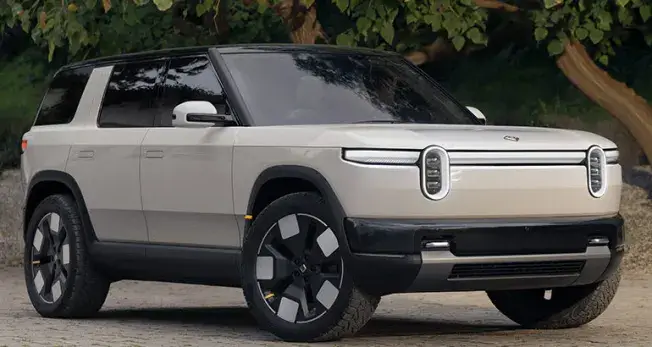
The shift toward electric power represents one of the more significant changes in personal transportation in decades, and understanding what genuinely distinguishes a modern electric vehicle from the combustion cars most drivers grew up with helps clarify why this transition involves more than simply swapping one power source for another.
How the Fundamental Driving Experience Actually Changes
Beyond the obvious absence of a traditional engine, electric vehicles deliver power in a fundamentally different way, with instant torque available immediately rather than building progressively as combustion engines typically require. This translates into notably responsive acceleration that many drivers find genuinely changes how a vehicle feels to drive day to day, well beyond simply being an environmentally motivated choice.
Why Maintenance Expectations Shift Significantly
With considerably fewer moving mechanical parts compared to a traditional combustion engine, electric vehicles generally require less frequent routine maintenance, eliminating traditional needs like oil changes while shifting maintenance focus toward areas like tire wear and, eventually, battery health monitoring. Understanding this shifted maintenance profile helps owners budget and plan differently than they might for a traditional combustion vehicle.
How Charging Infrastructure Considerations Shape Ownership
Unlike refueling a combustion vehicle, which follows a fairly universal and quick process regardless of location, electric vehicle charging involves genuinely different planning considerations, including understanding charging speed differences between home charging and public fast-charging options, and how these different options fit into typical daily routines versus longer trip planning.
For those exploring current options, this overview of an electric vehicle configuration covers the specific features and specifications available for this particular model.
Considering Total Ownership Experience Beyond the Vehicle Itself
Genuinely evaluating electric vehicle ownership involves looking beyond the vehicle specifications alone toward the broader ownership ecosystem, including home charging setup considerations, available public charging infrastructure relevant to your specific routes, and how well these practical realities align with your actual driving patterns and lifestyle needs.
See also: How Local Search Is Changing the Way Patients Find Healthcare Providers
Frequently Asked Questions
Does an electric vehicle require fundamentally different driving skills compared to a combustion car? Not fundamentally, though the different acceleration characteristics and regenerative braking behavior many electric vehicles feature do take some adjustment for drivers accustomed to combustion vehicles.
How does battery health typically hold up over the life of ownership? Modern electric vehicle batteries are generally designed with gradual degradation in mind, with most manufacturers offering specific battery warranty coverage addressing this consideration for a defined ownership period.
Is home charging installation typically required for electric vehicle ownership? While not strictly required given growing public charging availability, home charging access genuinely simplifies daily ownership considerably for most typical usage patterns.
Final Thoughts
Understanding how electric vehicles genuinely differ from combustion cars, in driving experience, maintenance needs, and ownership ecosystem considerations, helps prospective buyers approach this transition with realistic, well-informed expectations.