Introduction
For many businesses, electricity is something that’s only noticed when it stops working. A sudden power outage, a faulty distribution board, or an unexpected equipment failure can bring operations to a halt within minutes. Lost productivity, delayed customer service, and expensive repairs are often the result of electrical problems that could have been detected much earlier.
Successful businesses don’t wait for warning signs—they take a preventative approach. That’s why regular Electrical Testing Telford has become an important part of commercial property maintenance. Routine inspections help organisations identify developing issues before they interrupt daily operations, allowing managers to plan repairs instead of reacting to emergencies.
Whether you manage an office, warehouse, retail premises, industrial unit, or rental portfolio, investing in professional Electrical Testing Shropshire helps protect your people, equipment, and business reputation.
The Hidden Cost of Ignoring Electrical Maintenance
Electrical systems work continuously behind the scenes. Every light, computer, security system, production machine, and charging point depends on reliable wiring and safe electrical infrastructure.
When maintenance is ignored, businesses may face:
- Unexpected downtime
- Damaged electrical equipment
- Lost revenue
- Safety concerns for staff and visitors
- Expensive emergency call-outs
- Delays to day-to-day operations
Many of these problems begin with minor defects that are almost impossible to detect without professional inspection and testing.
Electrical Testing Is More Than a Safety Check
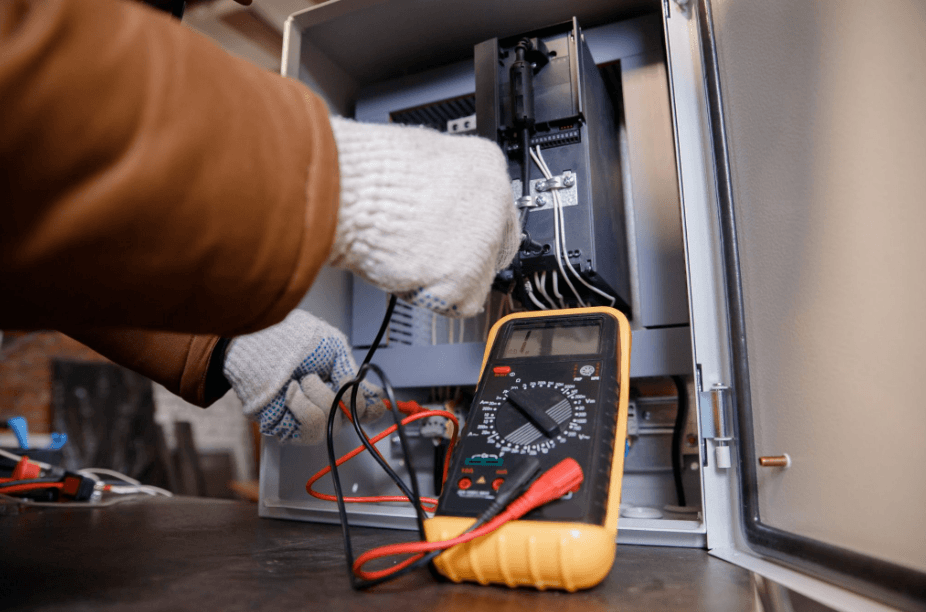
Some business owners believe electrical testing simply confirms that lights switch on and sockets work. In reality, a professional inspection examines the health of the entire electrical installation.
Qualified electricians assess:
Distribution Boards and Consumer Units
Protective devices are inspected to ensure they continue operating correctly and can disconnect electrical faults when required.
Wiring Systems
Electrical cables are checked for deterioration, damage, ageing, or signs of poor previous workmanship.
Power Circuits
Circuits supplying offices, machinery, kitchens, and production equipment are tested to verify they remain safe under normal operating conditions.
Protective Earthing
Correct earthing is essential for reducing electrical risks and protecting people who use the installation every day.
Every observation contributes to a detailed assessment of whether the installation remains suitable for continued service.
Understanding the Reports Your Business May Receive
Electrical inspections carried out under BS7671 normally result in one of two important reports depending on the type of work involved.
Electrical Installation Certificate (EIC)
An Electrical Installation Certificate is issued after new installations, additional circuits, or significant electrical alterations have been completed.
It confirms that the installation has been tested and complies with current wiring regulations before being placed into service.
Electrical Installation Condition Report (EICR)
An EICR evaluates the condition of an existing electrical installation.
Instead of certifying new work, it identifies deterioration, defects, or areas requiring improvement while confirming whether the installation is considered safe for continued use.
For businesses, this report provides valuable information when planning future maintenance and budgeting for improvements.
Why Preventative Testing Saves Money
Emergency electrical repairs are almost always more expensive than planned maintenance.
Imagine a manufacturing business experiencing an electrical fault during production hours. Machines stop operating, staff remain idle, deliveries are delayed, and customers may receive orders late.
By contrast, routine Electrical Testing Telford identifies many developing faults long before they cause disruption. Repairs can then be scheduled during quieter periods, reducing operational impact while controlling maintenance costs.
Preventative maintenance isn’t an expense—it’s an investment in business continuity.
Protecting Valuable Equipment
Modern businesses rely on expensive technology every day.
Servers, computers, manufacturing equipment, refrigeration systems, security networks, and communication systems all depend upon stable electrical supplies.
Electrical defects such as loose connections, overloaded circuits, or deteriorating components can gradually damage equipment without producing obvious warning signs.
Professional testing helps identify these hidden issues before they shorten the lifespan of valuable assets or lead to unexpected replacement costs.
Meeting Legal and Professional Responsibilities
Employers have a responsibility to provide a safe working environment for employees, customers, contractors, and visitors.
The Electricity at Work Regulations 1989 require electrical systems to be constructed and maintained in a way that prevents danger.
Regular Electrical Testing Shropshire demonstrates that businesses are taking reasonable steps to maintain safe electrical installations while supporting broader health and safety responsibilities.
For landlords managing commercial premises, inspections also help provide evidence that electrical systems continue to meet expected safety standards.
See also: The Role of Pristine Graphene in the Next Generation of Wearable Technology
Supporting Insurance and Risk Management
Insurance providers expect businesses to manage risks responsibly.
Maintaining up-to-date inspection reports can demonstrate that electrical systems have been professionally assessed and maintained, which may simplify discussions if an insurance claim ever becomes necessary following an electrical incident.
More importantly, proactive testing helps reduce the likelihood of those incidents occurring in the first place.
Why Qualified Electrical Professionals Matter
Commercial electrical systems can be significantly more complex than domestic installations.
Experienced, NAPIT-approved electricians use specialist testing equipment and follow BS7671 regulations throughout every inspection. Their knowledge allows them to identify developing issues, explain findings clearly, and recommend practical solutions without unnecessary disruption to the business.
Because electrical regulations continue to evolve, ongoing professional training ensures inspections remain aligned with current industry standards.
Benefits of Regular Electrical Testing for Businesses
Businesses that invest in scheduled Electrical Testing Telford enjoy a wide range of long-term advantages.
These include:
- Reduced risk of unexpected electrical failures
- Greater protection for employees and visitors
- Early detection of hidden electrical defects
- Improved reliability of electrical systems
- Protection for valuable equipment and machinery
- Better maintenance planning
- Support for compliance with UK electrical regulations
- Professional Electrical Installation Condition Reports (EICRs)
- Certification for new electrical installations through Electrical Installation Certificates (EICs)
- Increased confidence during insurance claims
- Reduced emergency repair costs
- Greater operational continuity and business resilience
Conclusion
Electrical failures rarely happen without warning. In most cases, hidden defects develop gradually until they eventually interrupt business operations or create unnecessary risks.
Scheduling regular Electrical Testing Telford allows businesses to identify these issues early, maintain compliance with current regulations, and protect valuable electrical infrastructure before problems escalate. Whether managing a small office, retail premises, industrial facility, or commercial property portfolio, investing in professional Electrical Testing Shropshire is a proactive decision that supports safety, reliability, and long-term business success.