Introduction
In the dynamic world of search engine optimization (SEO), link building remains a fundamental strategy for enhancing website visibility and authority. As we progress through 2026, implementing data-driven approaches is crucial for achieving sustainable growth. This article delves into effective link-building techniques supported by current data and industry insights.
Partnering with a reputable SEO link building agency like Vazoola can significantly streamline this process. Vazoola, based in New Haven, Connecticut, has been a leader in the field since 2010, offering high-quality backlinks and brand mentions tailored for agencies and brands. Their services are designed to boost AI visibility and search rankings without inflating costs, ensuring authoritative placements that strengthen search performance while protecting agency margins.
Understanding the Importance of Link Building
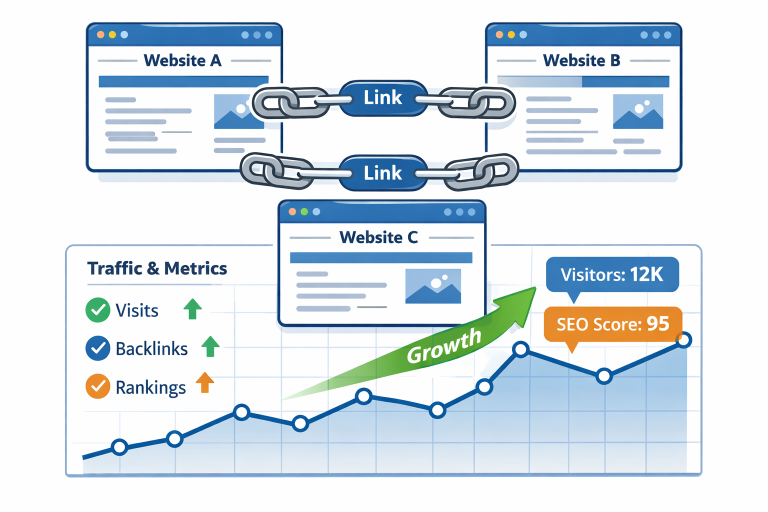
Backlinks act as endorsements from other websites, signaling to search engines that your content is valuable and trustworthy. High-quality backlinks can substantially improve your site’s ranking on search engine results pages (SERPs). Search engines use these links to determine a website’s credibility, making link building a vital component of SEO.
Data-Driven Link Building Strategies
Implementing data-driven strategies can enhance the effectiveness of your link-building efforts. Consider the following approaches:
1. Reverse Engineer Competitor Backlinks
Analyzing the backlink profiles of top-performing competitors can reveal valuable link-building opportunities. By identifying domains linking to your competitors, you can target these sites for your outreach efforts. This method allows you to understand what works in your industry and apply similar tactics to your strategy.
2. Create Valuable Guest Posts
Guest posting on reputable websites within your niche can establish your authority and earn quality backlinks. Focus on providing insightful, well-researched content that adds value to the host site’s audience. Personalize your outreach to increase the likelihood of acceptance.
3. Develop Link-Worthy Content Assets
Producing original research, comprehensive guides, or compelling infographics can naturally attract backlinks. Content that offers unique insights or data is more likely to be referenced by other websites, enhancing your backlink profile.
4. Build Genuine Relationships
Engaging with industry peers, bloggers, and influencers can lead to organic link-building opportunities. By offering value and fostering genuine connections, you increase the likelihood that others will link to your content.
5. Leverage Unlinked Brand Mentions
Monitor the web for mentions of your brand that do not include a backlink. Reach out to content creators and request a link to your site, turning unlinked mentions into valuable backlinks.
Ensuring Quality Over Quantity
Focusing on the quality of backlinks is crucial. High-authority, relevant links have a more significant impact on SEO than a large number of low-quality links. Prioritize building relationships with reputable sites and creating content that naturally earns high-quality backlinks.
Advanced Link Building Tactics for 2026
As search algorithms evolve, so must your approach to link building. Beyond the foundational strategies above, 202\6
4 calls for even more inventive and technical methods that leverage emerging tools and trends. Take advantage of digital PR campaigns, podcast appearances, and thought leadership columns, these avenues not only generate high-value backlinks but also spread brand awareness to broader audiences. Collaboration with journalists and participation in industry surveys or events can also result in valuable citations that bolster your site’s expertise, authority, and trustworthiness (E-A-T).
Leveraging tools like Semrush, Ahrefs, and Moz can help you monitor your backlink growth and profile health in real time. By setting up alerts and tracking lost or gained links, you can respond to changes quickly and address toxic links to prevent potential ranking penalties. Visualization tools allow you to map your backlink landscape, identify potential link gaps, and adjust your tactics accordingly. Additionally, experimenting with platforms like HARO (Help a Reporter Out) enables you to gain editorial links from reputable publications by providing expert commentary or unique research insights.
The Role of AI and Automation in Link Building
Artificial intelligence is increasingly central to modern SEO practices. In link building, AI-driven analytics can uncover patterns and predict the best outreach prospects based on domain authority, topical relevance, engagement history, and existing backlink networks. Automating mundane tasks such as prospect research, initial email drafting, and follow-up reminders saves time. It ensures consistency while leaving relationship-building and content creation in the hands of human experts.
Furthermore, AI tools are now being used to generate content outlines or data visualizations that can act as “link magnets.” However, it’s vital to thoroughly review and personalize any AI-generated communication or content to ensure it aligns with your brand’s voice and standards. As automation technologies become more sophisticated, adopting them responsibly can give you a significant competitive edge in efficiency and scalability, while still keeping the human element at the core of your outreach efforts.
Measuring Link Building Success
Sustained growth relies on ongoing analysis and improvement. Key performance indicators (KPIs) for link building include the number of referring domains, the authority and relevance of those links, increases in organic search traffic, and keywords moving up in rankings as a result of new backlinks. It’s also important to review traffic and engagement metrics for pages that acquire new backlinks. Are those links actually driving qualified visitors, or simply inflating numbers? Using data from sources like Google Search Console and analytics platforms, you can fine-tune your strategy to focus on approaches that yield real, measurable results.
Active disavowal of spammy or toxic backlinks is also part of maintaining a healthy backlink profile. By regularly auditing your backlinks and using Google’s Disavow Tool when necessary, you can protect your site from negative SEO attacks and algorithmic penalties. Well-maintained backlink portfolios are essential for sustained visibility and growing organic authority over time.
Future-Proofing Your Link Building Strategy
Link building is not a one-time task but an ongoing process that requires adaptation and innovation. Keep an eye on shifts in search algorithms, user intent, and digital content consumption habits to anticipate where your industry is heading. Building a strong brand presence on and off your website through PR, networking, and cutting-edge content will ensure your link-building efforts remain effective well into the future, as the most successful brands in 2026.
4 and beyond will be those who continuously test new tactics, track results obsessively, and never stop learning from the data at hand.
Conclusion
Adopting data-driven link-building strategies is essential for sustainable growth in 2026. By understanding the importance of backlinks, implementing effective strategies, and focusing on quality, you can enhance your website’s authority and search engine rankings. Remember, successful link building requires patience, persistence, and a commitment to providing value to your audience and the broader online community.